What Is the Best Washing Machine for Hard Water?
Hard water attacks washing machines from the inside out. Choosing a machine with the right drum material and spin speed is the most practical defense. Here is how the leading models compare.
The best washing machine for hard water is one with a stainless steel drum, a high spin speed, and a design that minimizes the number of places where mineral scale can accumulate and cause damage. For most households with moderate hard water, a top loader with a porcelain drum like the Amana NTW4516FW is a serviceable choice paired with regular cleaning. For severe hard water, the front-loading Westland WFL1300XD with stainless steel and 1200 RPM spin is the more defensible long-term option.
Hard water is defined by dissolved calcium and magnesium. Over time those minerals deposit as scale on heating elements, inside hoses, on drum surfaces, and around seals. The result is reduced performance, clogged passages, and shortened machine life. Not every washer handles that environment equally. The spec differences between models translate to real differences in how fast scale builds and how easy it is to clear.
Products mentioned in this post
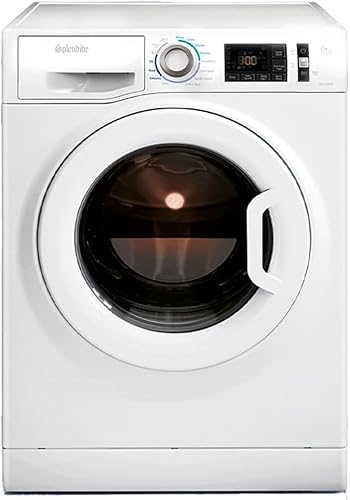


Why Hard Water Demands Specific Washer Features
Scale builds wherever heated or evaporating water leaves mineral deposits behind. In a washing machine, that means the drum, the heating element if the machine has one, hose connections, and the area around door seals. Each deposit site reduces efficiency over time and eventually causes a mechanical problem.
Drum material is the most direct defense. Stainless steel resists mineral adhesion better than porcelain and does not chip, which matters because a chip in porcelain exposes the underlying metal to rust and concentrated mineral buildup. High spin speeds help by flinging residual water, and its dissolved minerals, off clothing and drum surfaces at the end of each cycle. The Amana NTW4516FW uses a porcelain drum and a 700 RPM spin, which is workable with maintenance and a water softener additive. The Westland WFL1300XD uses stainless steel and a 1200 RPM spin, which is a meaningfully stronger setup for hard water conditions.
Top Load vs. Front Load for Hard Water
The debate between top load and front load gets more interesting when hard water enters the picture. Top loaders generally have shorter, simpler water paths with fewer tight channels for scale to clog. The Amana NTW4516FW uses an agitator design that keeps water moving through the load, which dilutes minerals during the wash. Its 700 RPM spin is the limiting factor.
Front loaders like the Westland WFL1300XD use less water per cycle, which concentrates the mineral load, but their stainless steel drums and higher spin speeds compensate by shedding residue more effectively. A front loader with an internal water heater can also run hot enough to dissolve mineral deposits that would otherwise accumulate. The practical guidance: moderate hard water (up to about 7 grains per gallon) is manageable in either design with regular maintenance. Above that threshold, a stainless steel front loader with high spin speed is the better choice.
Key Features That Mitigate Hard Water Problems
Three specs matter most in a hard water context. First, drum material: stainless steel over porcelain without exception if hard water is a consistent issue. Second, spin speed: 1200 RPM or higher to reduce the amount of mineral-carrying water left in the drum and on clothes after each cycle. Third, control simplicity: touch panels and electronic controls have more failure points than mechanical dials, and scale can affect electronic connections over time in a way it does not affect simple mechanical timers.
The Westland WFL1300XD scores on all three: stainless steel drum, 1200 RPM spin, and a relatively straightforward control set. The Avanti STW30D0W also uses stainless steel with an 800 RPM spin at a mid-range price. The Amana NTW4516FW uses porcelain and 700 RPM, which is the weakest combination for hard water but acceptable with regular cleaning and a water softener additive.
How to Extend Washer Life in Hard Water Areas
The machine you buy matters less than what you do with it over time. Even a stainless steel front loader will degrade faster in hard water without consistent maintenance. A monthly cleaning cycle using a citric acid based drum cleaner or a cup of white vinegar is the most effective basic habit. Citric acid dissolves calcium deposits without damaging drum surfaces or rubber seals.
Check hoses annually for narrowing from interior scale buildup, which reduces water flow and strains the pump. Clean the door seal and lint filter according to the manufacturer's schedule. Run a hot water cycle at least once a week if your machine allows it, because heat loosens scale before it fully hardens. The Amana NTW4516FW's porcelain drum can tolerate mild hard water for years on this maintenance schedule. The Westland WFL1300XD's stainless steel drum is more forgiving if a cleaning cycle gets skipped.
Recommended Models for Different Household Sizes
For a small one- or two-person household, the Avanti STW30D0W at $639.99 offers 3.0 cu ft, an 800 RPM spin, and a stainless steel drum in a compact footprint. It represents a reasonable middle ground between the Amana's budget pricing and the Westland's premium specs.
For a medium household of three to four people, the Amana NTW4516FW at $588.00 offers 3.5 cu ft with a porcelain drum. It is serviceable in moderately hard water with consistent cleaning and a water softener product. For households with severe hard water or those who prefer to minimize maintenance frequency, the Westland WFL1300XD at $1,178.49 provides 13 pounds of capacity with the stainless steel drum and 1200 RPM spin that hard water genuinely warrants.
Cost Considerations and Long Term Value
The upfront cost gap between the Amana at $588 and the Westland at $1,178.49 is significant. But the long-term cost calculation is more nuanced. A washer that accumulates scale on a porcelain drum and inside hoses may need a service call every two or three years in a hard water area. The Westland's stainless steel and high spin speed reduce that risk.
Factor in the ongoing cost of water softener additives if you choose the Amana: products that prevent or remove scale typically run $10 to $20 per month, which adds up over five years. The Avanti STW30D0W at $639.99 with stainless steel offers most of the durability benefit at $539 less than the Westland. Over a five-year ownership period, the total cost of ownership difference between these options is smaller than the sticker prices suggest.
Final Verdict: Our Top Pick for Hard Water
After comparing drum materials, spin speeds, and price-to-durability ratios, the Westland WFL1300XD is the strongest recommendation for households dealing with genuine hard water challenges. The stainless steel drum, 1200 RPM spin, and front-load design address the main mechanisms by which hard water shortens washer life.
For budget-conscious buyers in areas with moderate hard water, the Avanti STW30D0W at $639.99 captures the stainless steel drum advantage at a lower price. The Amana NTW4516FW at $588 is the appropriate choice only if hard water is mild and you commit to a monthly cleaning and water softener additive routine. Whatever you choose, drum material and spin speed should be the two specs you evaluate first.
Frequently asked questions
Can I use a regular washing machine with hard water?
Yes, but maintenance becomes more critical. A porcelain drum machine like the Amana NTW4516FW can function for years in hard water if you run a citric acid cleaning cycle monthly and use a water softener additive. A stainless steel drum machine is simply more forgiving of missed cleaning intervals.
Does a front loader or top loader work better with hard water?
Front loaders with stainless steel drums and high spin speeds generally handle hard water more effectively because stainless resists mineral adhesion and fast spin reduces residual water in the drum. Top loaders can perform well in moderate hard water with consistent maintenance.
What drum material is best for hard water?
Stainless steel is unambiguously better than porcelain for hard water. It does not chip, does not rust, and does not provide the irregular surface that scale adheres to most readily. Porcelain can work in mild hard water but requires more diligent cleaning to prevent buildup at any surface imperfections.
Do I need a water softener for my washing machine?
If your water hardness is above roughly 7 grains per gallon, a water softener additive or whole-house system will extend washer life and improve wash results. Even machines with stainless steel drums perform better and stay cleaner when mineral load is reduced at the source.