What Is the Best Way to Dry Clothes Without a Dryer?
Drying clothes without a dryer is genuinely manageable when you use the right sequence. The difference between clothes that air-dry in two hours and clothes that smell musty by morning is mostly about how much water is left in them when they come out of the wash.
The best way to dry clothes without a dryer is a two-step process: remove as much water as possible mechanically, then let air do the rest. A portable washer with a high spin speed, or a standalone spin dryer, extracts far more moisture than a slow-spin machine, cutting air-drying time dramatically without using any heat.
For apartment dwellers, dorm residents, and RV owners without dryer access, the limiting factor is almost never the air-drying step itself. It is the amount of water that goes into that step. A garment that comes out of a 1350 RPM spin at damp-but-not-dripping will hang-dry in one to two hours. The same garment wrung by hand or spun slowly may still feel wet four hours later, especially in humid conditions. The sections below explain how to optimize each stage of the process.
Products mentioned in this post


Use a Portable Washer with a High-Spin Cycle
The spin cycle at the end of a wash is where the drying process actually starts. A machine that spins faster removes significantly more water per cycle. The Giantex EP21684, for example, spins at 1350 RPM in its dedicated spin tub. That is enough to leave a typical cotton load feeling damp rather than wet, which translates directly to faster air-drying with less risk of mildew.
Semi-automatic portable washers let you run the spin cycle independently of the wash cycle, which means you can spin previously-washed items again if you want an extra pass. That extra spin can noticeably reduce hang time, particularly for thicker items like jeans or hoodie sweatshirts. If you are buying a portable washer and do not have a dryer, spin speed is one of the most important specs to evaluate.
Add a Dedicated Spin Dryer for Maximum Water Removal
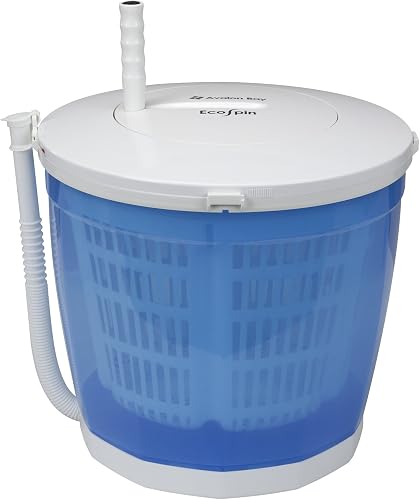
A standalone spin dryer is a compact machine that does nothing but spin laundry at very high speed. It has no heat, no tumbling, and no wash function. It simply uses centrifugal force to pull water out of fabric very efficiently. The Avalon Bay EcoSpin is a small countertop model in this category, occupying minimal counter space and handling the job in a few minutes per load.
Pairing a spin dryer with an indoor drying rack is one of the fastest no-heat drying setups available for spaces without a dryer hookup. It works well for people whose portable washer has a slower spin speed, and it is useful for pre-spinning items that were hand-washed. The upfront cost is modest relative to the time it saves if you do laundry frequently.
Use a Drying Rack Indoors for Delicates and Everyday Items
A sturdy multi-tier drying rack is the foundation of any dryer-free laundry setup. The key to making indoor rack drying work well is airflow. Simply hanging clothes in a closed room with still air is slow and risks developing odors. Positioning the rack near an open window or an active air return vent speeds evaporation noticeably. Running a box fan aimed at the rack speeds it further.
Spacing matters as much as location. Clothes touching each other do not dry where they touch. Spread each item fully and avoid stacking multiple garments on the same bar. Heavier items like towels and denim should go on the outer edges of the rack where air reaches them most easily. Lighter items like shirts and underwear dry quickly regardless of placement.
Try the Towel Roll Technique for Faster Air Drying
When you need a specific item dry quickly and do not have access to a spin dryer, the towel roll method is the most effective manual option. Lay the wet garment flat on a clean dry towel that is noticeably more absorbent than the item itself. Roll the towel and garment together tightly from one end to the other. Squeeze or press the roll firmly along its length.
Unroll and check the garment. If it is still quite wet, transfer it to a second dry towel and repeat. After one or two passes, most garments come out significantly less wet than they started and will hang-dry in half the time or less. This technique is especially useful for thick cotton items like hoodies or denim where spin cycles struggle to penetrate the material fully.
Hang Clothes Outdoors on a Clothesline or Drying Rack
When outdoor space is available, a clothesline or folding outdoor drying rack is the fastest no-energy drying method in most climates. Moving air and solar heat combine to evaporate moisture far faster than indoor room-temperature air, and UV exposure helps with odor and bacteria on items that have been sitting damp.
For apartments with balconies, a compact folding rack or a retractable clothesline works well. Be aware of direct sun exposure on dark-colored items; prolonged direct sunlight can fade fabric dye over repeated sessions. In humid or cool climates, outdoor drying takes longer and can leave clothes feeling slightly stiff if they dry very slowly. Bring items in before dew forms in the evening.
Use a Portable Heated Dryer Rack for Indoor Convenience
Heated drying racks are a middle ground between air drying and a full dryer. These racks use low electric heat to warm clothes while they hang, which accelerates evaporation without tumbling. They use much less electricity than a standard or portable tumble dryer and are gentle on fabrics because there is no mechanical agitation. They are particularly useful in winter when indoor humidity is low but cold air slows natural evaporation.
Heated drying racks are not as fast as a tumble dryer and do not work as well on very thick items, but they are more effective than a passive rack in cold or humid conditions. They are widely available and typically cost between $50 and $150 depending on size and wattage.
Optimize Your Laundry Routine to Prevent Mildew
Without a dryer to finish the job quickly, timing and hygiene discipline matter more. Transfer clothes from the washer to the drying setup immediately; even 30 minutes sitting wet in a closed drum is enough to develop a mildew smell in warm weather. Shake each garment before hanging to reduce wrinkle density and help fabrics spread naturally.
In high-humidity climates or during humid summer months, a dehumidifier running in the drying room makes a significant difference. High ambient humidity slows evaporation from wet fabric and increases the risk of mildew odor developing before the clothes finish drying. Wash smaller loads more frequently so air can circulate around each item rather than through a dense pile of wet fabric on an overcrowded rack.
Frequently asked questions
What is the fastest way to dry clothes without a dryer?
Use a high-spin portable washer or a dedicated spin dryer to remove maximum water mechanically, then spread clothes on a rack in front of a fan. That two-step combination is faster than any single-step method that relies on air alone.
Can a portable washer double as a dryer?
No. Portable washers wash and spin but do not generate heat. The spin cycle removes water by centrifugal force, not evaporation. That leaves clothes damp rather than dry. You will still need air drying, a fan, or a separate spin dryer to finish the job.
Does using a spin dryer damage clothes?
Spin dryers are generally safe for most fabrics because they use centrifugal force rather than heat. The only real risk is with very delicate items that cannot handle mechanical stress. Placing delicates in a mesh laundry bag before spinning provides adequate protection for most garment types. Always check the care label.
How do I dry clothes indoors without a dryer in winter?
Use a drying rack positioned near a heat source like a radiator or floor vent, but not so close that fabric scorches. Running a ceiling or box fan in the room helps move warm air over the clothes. A heated drying rack is an effective dedicated solution in winter when ambient air is cold and slow to evaporate moisture.