How Often Should You Clean Your Washing Machine?
Washing machines need regular cleaning to stay fresh and efficient. Learn the ideal frequency based on usage, plus simple steps and when to consider a new model.
For most households running three to five loads per week, monthly cleaning is the right target. Lighter users doing one or two loads weekly can stretch to every two or three months. The cleaning removes detergent buildup, residual fabric softener, and the mold-friendly moisture that accumulates in seals and hidden drum surfaces.
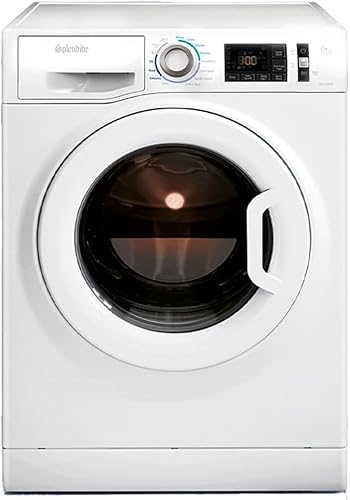
The right answer to how often should you clean your washing machine also depends on machine type. Front-loaders trap more humidity inside their sealed door gaskets than top-loaders, which means they typically develop odors and mold faster if left without maintenance. High-efficiency machines that use very little water can leave concentrated detergent residue behind even from correct doses. Knowing your machine type and your usage rate shapes the cleaning schedule more than any single rule.
Products mentioned in this post


Why Regular Cleaning Matters
A washing machine that cleans your clothes cannot clean itself. Detergent, fabric softener, and hard-water minerals accumulate on the drum walls, inside hoses, and in the pump filter. That film retains moisture and provides a feeding surface for mold and mildew. The result is a sour smell that transfers to clean laundry after the cycle ends. Over time, the buildup also reduces water flow efficiency, which can lengthen cycle times and increase energy consumption. Front-loader gaskets are particularly prone to visible black mold growth in the folds of the rubber seal.
Signs Your Washer Needs Cleaning
The most obvious signal is a musty or sour smell when you open the door. Visible mold on the rubber door gasket of a front-loader warrants immediate attention rather than waiting for the scheduled date. Gray or white streaks on dark clothing indicate detergent that did not fully rinse. Slow drainage or water pooling at the bottom after a cycle suggests a clogged pump filter or partially blocked drain hose. If clothes consistently smell musty after washing, the machine itself is the source. Any of these signs means cleaning should happen now rather than at the next scheduled interval.
Step by Step Cleaning Instructions
Start by pulling out the detergent drawer and soaking it in warm water for 15 to 20 minutes, then scrubbing away any residue with a toothbrush. Wipe the door gasket folds with a cloth dampened in a 50-50 vinegar and water solution. For a front-loader, run the hottest available cycle with two cups of white vinegar added directly to the drum, pause it at the fill stage, and let it soak for one hour before resuming. Follow with a second short hot cycle using half a cup of baking soda. For a top-loader, fill the drum with the hottest water setting, add four cups of white vinegar, let the drum agitate briefly, then pause and soak for one hour before completing the cycle. Wipe the drum interior and leave the door open to dry.
Monthly Maintenance Between Deep Cleans
Between full cleaning sessions, a few daily habits prevent rapid buildup. After every wash cycle, wipe the door gasket dry on a front-loader and leave the door open for at least an hour. Remove clothes promptly rather than leaving them in the drum, where trapped moisture accelerates mold growth. Use only the detergent amount actually needed for the load; excess detergent contributes more to residue buildup than almost any other single factor. On front-loaders, check and clean the drain pump filter every three months. That filter catches lint, coins, and debris that restrict drainage if left unchecked.
Choosing a Washer That Is Easier to Clean
Stainless steel drums are less porous than porcelain-coated steel and resist biofilm more effectively. Front-loaders that include a self-clean or tub-clean cycle make the process easier because the machine runs the appropriate hot cycle automatically with minimal setup. Top-loaders with an open agitator design have fewer hidden crevices than impeller top-loaders or front-loaders with deep gasket folds. The Amana NTW4516FW, a straightforward top-loader with a porcelain-finish drum and eight wash cycles, tends to be easier to clean between maintenance intervals because of its simple interior geometry. The Westland WFL1300XD, a front-loader with a stainless steel drum, needs more attention to the gasket but is more resistant to long-term staining inside the drum itself.
When to Replace Instead of Deep Clean
If a machine is more than eight years old and requires constant cleaning to control odors, it may be approaching the end of its useful life. Repeated cleaning that no longer eliminates the musty smell suggests mold has penetrated the machine's internal structure in places that surface cleaning cannot reach. Persistent drainage issues that return within days of clearing the filter indicate worn pump components. At that stage, the cost and effort of ongoing maintenance often exceeds the value of keeping the machine. Newer portables like the Auertech AU8590 at 28-pound capacity and 4.3 stars from 3,900 reviews, or the Krib Bling XQB-Grey6-1 at 17.7-pound capacity and 4.0 stars, are simple to maintain and represent a practical upgrade for small households.
Final Thoughts on Cleaning Frequency
Monthly cleaning for regular users and quarterly for light users is the baseline. Pair those scheduled sessions with daily habits: leave the door open, remove clothes promptly, and measure detergent accurately. Front-loaders need more attention to the gasket than top-loaders; portable washers need less frequent deep cleaning because their simpler mechanics accumulate less residue. If your current machine requires weekly attention to stay fresh despite correct usage habits, that is a sign the machine itself has an underlying problem or has simply aged past its efficient range. A properly maintained machine in good condition should stay clean and odor-free on a monthly schedule without constant intervention.
Frequently asked questions
What happens if I never clean my washing machine?
Detergent and softener residue accumulates into a film that feeds mold and mildew growth. The drum develops a persistent musty odor that transfers to freshly washed clothes. Drainage slows as the pump filter clogs. Over time, the machine performs less efficiently and components wear faster from the strain of restricted water flow.
Can I use bleach to clean my washing machine?
Bleach is effective for killing mold and sanitizing the drum, but it can degrade rubber gaskets with repeated use. White vinegar is gentler on seals and comparably effective for most maintenance cleaning. If you use bleach, run an additional rinse cycle afterward and never mix it with vinegar or any ammonia-based cleaner.
How do I clean a front load washer's rubber gasket?
Wipe the gasket folds with a cloth dipped in equal parts white vinegar and water. For established mold, a soft brush helps dislodge growth from inside the folds. After wiping, leave the door open so the gasket dries completely between washes. This is the most mold-prone part of any front-loader and benefits from a quick wipe after every cycle.
Do portable washing machines need less cleaning?
Portable models like the Auertech AU8590 have smaller drums and simpler internal mechanics, so residue accumulates more slowly. They still benefit from a cleaning cycle every one to three months, particularly if used frequently or if hard water is common in your area. The cleaning process is faster because there is less machine to address.