How to Clean a Washing Machine: A Step by Step Guide
Detergent residue, hard water minerals, and trapped moisture build up inside every washer over time. This guide walks you through a practical cleaning routine for both top load and front load machines using items you likely already own.
Cleaning a washing machine is straightforward: run a hot cycle with a cleaning agent, scrub the seals and dispensers, and leave the door open to dry between uses. Whether you have a top load, front load, or compact portable unit, the core process is the same.
The problem is that most people skip it until something goes wrong. Detergent scum and fabric softener residue accumulate over months in the drum, hoses, and gasket. That film traps moisture, feeds mold and bacteria, and eventually produces the musty smell that transfers to freshly washed clothes. A monthly cleaning routine stops this cycle and keeps your machine washing efficiently. For owners of portable and compact washers, the good news is that the smaller drum means less surface area to clean and a faster process overall.
Products mentioned in this post


Why Washing Machines Get Dirty Inside
It sounds counterintuitive, but the machine that cleans your clothes collects grime of its own. Every cycle leaves behind traces of detergent, fabric softener, lint, and minerals from hard water. These deposits coat the drum walls, collect in the rubber gasket folds, and clog the dispensers. In a warm, enclosed space, the combination of soap residue and trapped water is exactly what mold and mildew need to grow. The result is a grey or black film on rubber seals and a persistent musty odor that no amount of rewashing removes from your clothes. Regular cleaning breaks the cycle before it starts.
What You Need Before You Start
The cleaning supplies are basic: white distilled vinegar, baking soda, and a microfiber cloth or soft-bristle brush. For a more concentrated clean, commercial washer cleaning tablets work well and are widely available. Avoid using abrasive pads on stainless steel drums or rubber gaskets. If your washer manual recommends against bleach on the seals, skip it and use vinegar instead. Pull on a pair of rubber gloves before scrubbing the gasket. For front load washers, keep a flashlight nearby to see into the gasket folds. Having everything at hand before you start means the job takes under 30 minutes.
Cleaning a Top Load Washer
Set the machine to its largest load size, hottest water setting, and longest cycle. Pour four cups of white vinegar directly into the drum, not the dispenser. Start the cycle, then pause it after the drum fills and let the vinegar water sit for an hour. This soak loosens mineral deposits and kills odor-causing bacteria. Resume and complete the cycle. Then run a second hot cycle with half a cup of baking soda in the drum. When it finishes, wipe the rim, agitator, and inside of the lid with a damp cloth. For portable top load washers, scale back to two cups of vinegar and a quarter cup of baking soda to match the smaller drum volume.
Cleaning a Front Load Washer
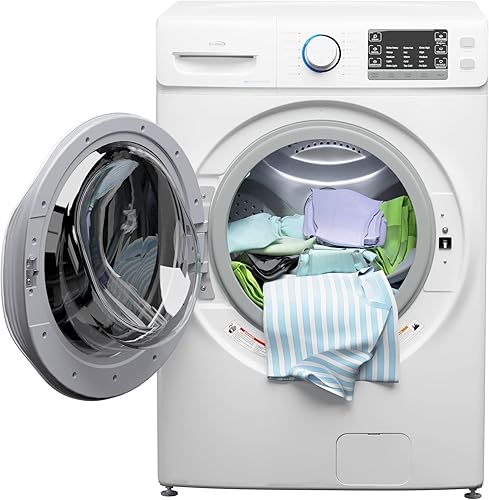
Front load machines require extra attention to two spots that top loaders do not have: the door gasket and the detergent drawer. Start with the gasket. Pull it back to expose the folds and wipe away any visible mold or debris with a cloth soaked in white vinegar. Check all around the ring, not just the bottom where water pools. Remove the detergent drawer and soak it in warm soapy water for 10 minutes, then scrub the drawer cavity with a brush. Run an empty hot cycle with two cups of vinegar in the drum. Follow that with a second hot cycle using half a cup of baking soda. When both cycles are done, wipe the gasket dry and leave the door propped open. For compact front loaders like the Equator Advanced Appliances 22-826 L W, the smaller drum traps moisture more readily, making this routine especially important.
How Often Should You Clean Your Washer
Once a month is the right interval for most households that do several loads per week. If you live in a hard water area, every two to three weeks is better, since mineral deposits accumulate faster. If you use liquid fabric softener regularly, expect buildup to appear sooner and clean more frequently. Between deep cleaning sessions, leave the door or lid ajar after each load to let the drum air out. Wipe the gasket dry after front load washes. These two habits between cleanings reduce how much work the monthly vinegar cycle has to do.
Choosing a Washer That Is Easier to Clean
Machine design affects how quickly grime builds up. Stainless steel drums resist bacterial growth better than porcelain or plastic because the surface is less porous. A self-cleaning cycle, which most newer machines include, runs a high-temperature drum wash automatically on a schedule. Front loaders with a removable detergent drawer and a wide gasket opening are easier to scrub. For small spaces, portable washers like the Auertech AU8590 (ASIN B09YLKMHLH) and the Krib Bling XQB-Grey6-1 (ASIN B0BL6BFFC2) have compact drums that take five minutes to wipe down after a vinegar cycle. Their simple construction means there are fewer hidden corners where residue can hide.
When the Smell Does Not Go Away
If the vinegar and baking soda routine does not eliminate the odor after two cleanings, work through a checklist. First, check the drain pump filter, which on front loaders is usually a small cap at the lower front panel. A trapped sock or lint plug can hold stagnant water and generate a sulfur-like smell. Second, inspect the drain hose for kinks or blockages that prevent water from clearing the drum fully. On top loaders, check under the agitator for small items that can decompose. If the smell persists after addressing all those points, the mold may be inside the outer tub between the drum and the washer cabinet, which generally requires a service call.
Frequently asked questions
Can I use bleach to clean my washing machine?
Bleach is effective at killing mold but can degrade rubber seals over repeated use. White vinegar is a safer choice for regular monthly cleanings. If you use bleach, dilute it and avoid applying it directly to the gasket. Always check your washer manual first, as some manufacturers specifically advise against it.
How do I clean a portable washing machine?
Run an empty cycle on the hottest setting with two cups of white vinegar in the drum. Let it complete, then run a second cycle with a quarter cup of baking soda. Wipe down the drum and lid with a damp cloth. Do this monthly, or more often if you notice a smell.
Why does my washing machine still smell after cleaning?
A persistent smell usually points to one of three sources: a clogged drain pump filter, a blocked drain hose, or debris trapped under the agitator on top load machines. Clean all three locations. If the smell continues, the mold may have reached the outer drum and may need professional attention.
How often should I clean the washing machine filter?
Clean the lint or drain pump filter every one to three months. On front loaders it is typically behind a small access panel at the bottom front. On some top loaders it is inside the agitator. Check your owner's manual for the exact location and removal steps.