How to Get Rid of Mildew Smell in Clothes: A Step-by-Step Plan
Mildew smell in clothes is stubborn but fixable. This guide explains why it happens, how to treat affected garments, and how to clean your washer so the problem does not return.
The most effective way to remove mildew smell from clothes is a two-wash approach: one hot cycle with white vinegar, then a second cycle with baking soda. The vinegar kills mildew spores and lifts the odor, and the baking soda neutralizes any remaining acidity. Do not run them together in the same cycle, as they cancel each other out.
The smell itself is a signal, not just an inconvenience. Mildew grows in warm, damp, poorly ventilated spaces. If your clothes come out of the washer smelling musty, either the clothes sat wet too long before being washed, or the washer itself has mildew growing inside it, and that mildew is transferring to every load. Fixing the smell permanently means treating the clothes and addressing the source. For owners of compact and portable washers, where the drum is smaller and moisture can concentrate faster, the washer cleaning step is especially worth doing thoroughly.
Products mentioned in this post


Why Clothes Develop a Mildew Smell
Mildew is a fungus. It reproduces in any environment with warmth, moisture, and organic material to feed on. Clothing left damp in a hamper for a day or two provides all three. The same thing happens when wet clothes sit in a washer after the cycle ends. Even two to three hours is enough for the smell to take hold on a warm day. The other common source is the washer itself. Detergent residue, fabric softener film, and lint build up inside the drum, gasket, and dispenser over time. That coating traps moisture between washes and feeds mold and mildew colonies that produce the same musty compounds, which then transfer to every load. Identifying whether the problem is the clothes, the machine, or both determines which steps to prioritize.
Step 1: Wash Affected Clothes with Vinegar
Sort the smelly items by care label. For cottons and most synthetic blends that can handle hot water, run a normal cycle at the highest temperature the fabric allows. Add one cup of white distilled vinegar to the rinse dispenser or directly to the drum at the start. Vinegar is acidic enough to kill mildew spores and cut through the biofilm they produce. Do not add regular detergent to this cycle. Just vinegar. The goal of this first wash is to treat the mildew, not to clean the clothes with soap. For delicates or garments that specify cold water, use warm instead of hot, and use the gentle cycle.
Step 2: Rewash with Baking Soda
Immediately after the vinegar cycle, while the clothes are still damp, run a second wash. Add half a cup of baking soda to the drum. Baking soda is alkaline and neutralizes the acidic odor compounds that vinegar loosens but does not always fully remove. You can also add your normal detergent to this second cycle. Running both steps back to back on the same load gives you the best chance of completely eliminating the smell in a single session. For towels with a persistent mildew odor, this two-wash method addresses what a single pass with detergent alone rarely resolves.
Step 3: Clean the Washer Itself
If your washer smells musty, the clothes coming out of it will too. Clean the machine with an empty hot cycle using two cups of white vinegar in the drum. Pause the cycle after it fills and let the water sit for an hour. Resume and complete the cycle. If your portable washer has a removable lint filter, clean it out before you run this cycle. Portable washers like the Giantex EP21684 have accessible filters that accumulate residue faster than you might expect in a small drum. For stainless steel drums, found in models like the Hamilton Beach HBPW3O2AMZ, odor tends to be less severe because the surface is less porous than plastic, but the cycle is still worth running monthly regardless.
Step 4: Dry Clothes Fully and Promptly
Mildew cannot survive without moisture. The moment clothes are washed, get them into drying conditions immediately. If you use a portable dryer, select a heat setting appropriate for the fabric and run the cycle to completion. If you air dry, hang the items in the spot with the best airflow in your home, with space between garments so air circulates around each one. A fan aimed at the rack accelerates drying considerably. Do not fold or put away any item that is still even slightly damp. That residual moisture is enough to restart mildew growth in a closed drawer or cabinet. For compact and portable washers that spin at high speed, the clothes will be noticeably drier at the end of the spin cycle, which helps reduce air-dry time.
Step 5: Preventing the Problem from Returning
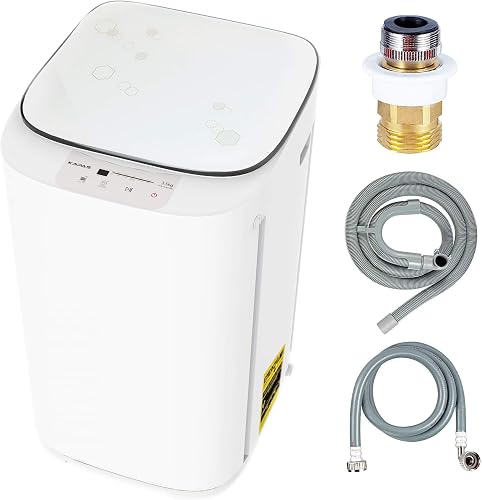
The most reliable prevention habit is simple: transfer clothes to the dryer or drying rack within an hour of the wash cycle ending. Do not let them sit in the drum. Alongside that, leave the washer door or lid ajar between uses so the drum dries out. Wipe the gasket dry on front load machines after each wash. Run a monthly cleaning cycle with vinegar. These habits together address all three conditions mildew needs to grow. If recurring mildew smell remains a problem despite those habits, consider a washer upgrade. Models with a stainless steel drum and a self-cleaning cycle, or a high spin speed like the Kapas KPS35-735H2 at 1300 RPM and $209.99, make the maintenance cycle less work and resist odor buildup over time.
Frequently asked questions
Can I leave wet clothes in the washer overnight?
No. Even a few hours is enough for mildew to begin on warm days. Overnight is long enough for the smell to set into the fibers. Set a phone reminder if needed. If you have already left clothes too long, run the two-step vinegar and baking soda treatment before drying.
Will vinegar damage my washing machine?
White vinegar at normal concentrations is safe for most washers, including rubber gaskets. Using it once a month in a cleaning cycle has no meaningful effect on seal longevity. Very frequent use at full strength over many years may degrade some rubber compounds, but monthly use at one to two cups per cycle is well within the safe range.
How do I get mildew smell out of towels specifically?
Wash on hot with one cup of white vinegar, then immediately rewash with half a cup of baking soda and your regular detergent. Dry on high heat if the towel label allows. Avoid fabric softener on towels. Softener coats the fibers with a film that traps moisture and makes mildew more likely to return.
What is the best portable washer for preventing mildew smell?
Washers with stainless steel drums and high spin speeds hold onto less moisture between cycles and are harder for mildew to colonize. The Hamilton Beach HBPW3O2AMZ has a stainless drum and 12 cycles including a sanitize setting. The Kapas KPS35-735H2 spins at 1300 RPM and includes a self-cleaning cycle. Both are meaningfully better than plastic drum models for controlling mildew over the long term.