How to Make Clothes Dry Faster: 7 Proven Strategies
Slow drying is usually a chain of fixable problems, not a machine limitation. These seven strategies address each link in that chain, from how you spin clothes in the washer to how you size and maintain the dryer.
The fastest way to make clothes dry faster is to start them as dry as possible before they go near a dryer or a rack. That means running the washer's highest spin cycle, loading the dryer correctly, and keeping both machines well maintained. Each of those steps makes a measurable difference, and the combination can cut total drying time by a third or more.
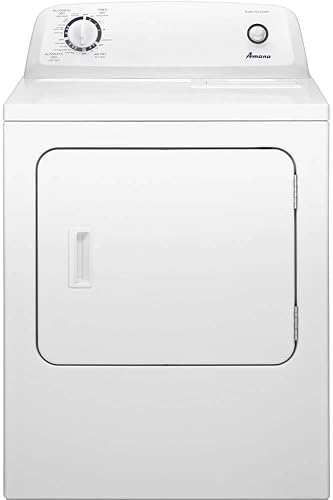
Beyond basic habits, dryer selection matters. A portable dryer like the Magic Chef MCSDRY1S handles small apartment loads in about 40 minutes. A larger unit like the Amana NED4655EW at 6.5 cubic feet moves more volume per cycle. This guide explains the reasoning behind each strategy so you can apply it to whatever equipment you have.
Products mentioned in this post


1. Maximize the Washer Spin Cycle
The spin cycle does the work that saves the most time. A washer spinning at 1200 RPM or more removes substantially more water than one spinning at 700 RPM. That difference shows up directly in how long the dryer runs or how quickly clothes dry on a rack. For portable washers, look for a spin speed of at least 800 RPM as a baseline, and prefer 1200 RPM or higher if size and budget allow. For heavyweight fabrics like denim and towels, skip the delicate or gentle cycle option and use a standard or heavy-duty spin. The extra mechanical extraction requires no additional energy from the dryer and is one of the cheapest wins available.
2. Clean the Lint Filter Before Every Load
A partially blocked lint filter restricts airflow through the dryer, which is how all tumble dryers transfer heat to clothes. When airflow is reduced, cycle times increase and the heating element works harder than it needs to. Cleaning the filter before each load is a 10-second habit that consistently keeps drying times at the manufacturer's rated average. On compact dryers like the Magic Chef MCSDRY1S the filter is typically near the door. On the Amana NED4655EW it sits on the lint screen housing inside the door opening. The vent duct that exhausts hot air outside should also be checked annually for lint accumulation, which can add minutes to every cycle if left unaddressed.
3. Load the Drum Properly
Clothes need room to tumble. When the drum is packed, garments press against each other and hot air cannot circulate between them, so the dryer runs longer to accomplish the same result. The practical target is no more than half to two-thirds of the drum filled with wet laundry. For the Amana NED4655EW at 6.5 cubic feet, a typical correctly sized load weighs 12 to 15 pounds of wet clothes. For a compact dryer like the Magic Chef MCSDRY1S at 2.6 cubic feet, limit loads to 6 to 8 pounds. An underfilled dryer is slightly less efficient per load but still faster per garment than an overpacked one.
4. Add Dryer Balls to the Load
Wool or rubber dryer balls bounce between garments during the tumble cycle, physically separating clothes so hot air reaches more surface area. This can reduce drying time by 10 to 25 percent depending on load size and fabric type. A clean, dry cotton towel dropped into the drum at the start works similarly by absorbing moisture and creating tumble separation. For a compact dryer like the Costway VD-23598EP, two balls is enough. Larger drums benefit from three or four. One note: fabric softener sheets coat dryer balls with a residue over time that reduces their effectiveness. If you use balls, skip the sheets.
5. Separate Heavy and Light Fabrics
Mixing a load of towels with a load of lightweight shirts means running the dryer long enough to dry the towels, which over-dries the shirts and adds wear to the lighter fabric. Drying heavy and light fabrics separately lets you set the right time and heat for each. On a compact dryer like the Magic Chef MCSDRY35W at 3.5 cubic feet, a full load of towels works well as one cycle. A smaller or lighter load of shirts and underwear can run at a lower heat and shorter time. The total elapsed time across two loads is often less than one mixed load because neither cycle runs longer than it needs to.
6. Match the Dryer Size to the Load Volume
Dryer capacity shapes how many cycles you need each week and how long each one takes. For studio apartments or one-person households, the Magic Chef MCSDRY1S at 2.6 cubic feet and 4.2 stars across approximately 1,200 reviews handles a small load well in a compact footprint. For households doing two to three larger loads per week, the Amana NED4655EW at 4.4 stars and 6.5 cubic feet is sized more appropriately. Using a small dryer for large loads extends cycle times and strains the motor. Using a large dryer for very small loads is slightly wasteful but still effective. The right size is the one that matches your typical single load, not your largest possible load.
7. Keep the Vent Duct Clear and Straight
The exhaust vent is where moisture-laden hot air exits the dryer. A kinked, crushed, or partially blocked duct forces the dryer to work against restricted airflow for the entire cycle. This increases drying time and raises the internal temperature. For compact dryers like the Costway VD-23598EP, which use a flexible exhaust tube, check that the tube runs as straight as possible to its exit point without sharp bends. Longer duct runs retain more lint, so cleaning the duct every six to twelve months is important on any full-size dryer. A moisture sensor, when present on a dryer, also needs periodic cleaning with a dry cloth to function accurately.
Frequently asked questions
Why do my clothes take so long to dry?
The most common reasons are a dirty lint filter restricting airflow, an overloaded drum, a low washer spin speed sending clothes in too wet, or a blocked or kinked exhaust vent. Work through those four checks before assuming the dryer itself is faulty.
How can I dry clothes faster without a dryer?
Run the washer spin cycle at the highest speed setting to remove as much water as possible. Then hang clothes in the most ventilated spot available with a fan aimed at the rack. Space garments apart so air reaches all sides. Synthetic fabrics dry faster than cotton under the same conditions.
Do dryer balls really help clothes dry faster?
Yes, measurably. Dryer balls separate garments so hot air flows between them rather than through a compressed mass of fabric. The result is more even and faster drying. Wool balls also absorb a small amount of moisture. The effect is more noticeable in larger, mixed loads than in small lightweight ones.
What is the best portable dryer for small spaces?
The Magic Chef MCSDRY1S at 2.6 cubic feet and 4.2 stars handles small apartment loads without taking much floor space. The Costway VD-23598EP is also compact and well reviewed. For a bit more capacity, the Magic Chef MCSDRY35W at 3.5 cubic feet handles slightly larger loads while remaining compact.