How to Remove Mold from Washer Gasket
Mold in a front load washer gasket is common, visible, and fixable. This guide walks through scrubbing the affected area, running a cleaning cycle, and changing a few habits so the problem does not repeat.
To remove mold from a washer gasket, scrub the rubber seal with a diluted bleach solution or full-strength white vinegar, let it sit for several minutes, then wipe it clean and run an empty hot cycle. That sequence handles visible mold on the surface. What keeps it from coming back is drying the gasket after every wash and leaving the door open so the drum and seal can air out.
Front load washers are the machines most commonly affected because the door gasket is a deep rubber ring with folds that trap water and detergent residue after each cycle. The combination of moisture and soap film in a warm, enclosed space is exactly where mold thrives. Top load washers rarely develop this problem because their gaskets are simpler and the drum opens to the air naturally. This guide covers the cleaning process from initial inspection through the prevention habits that make monthly scrubbing unnecessary.
Products mentioned in this post

Why Front Load Washer Gaskets Develop Mold
The door seal on a front load washer serves as a watertight barrier during the wash cycle. Water collects in its folds after the cycle ends. Add fabric softener residue and detergent buildup, which coat the rubber over time, and you have a warm, damp, nutrient-rich surface that mold colonizes quickly. The interior of the drum is dark between washes, which eliminates one of the few environmental factors that inhibit mold growth. The same combination of warmth, moisture, and food source also produces the musty smell that front load washer owners often report, even when the drum itself looks clean. The gasket folds hold far more residue than they appear to from the front.
What You Will Need
For a bleach-based clean: chlorine bleach, warm water, a spray bottle, rubber gloves, an old toothbrush or narrow scrub brush, and a microfiber cloth. For a vinegar-based clean: white distilled vinegar, baking soda, and the same tools. A small flashlight helps see into the deeper gasket folds where mold often hides but is easy to miss without direct light. Avoid abrasive scrubbing pads that can cut the rubber surface and create new crevices where mold can settle. Soft brushes and cloths remove mold effectively without damaging the seal.
Inspect the Gasket Before You Start
Unplug the washer. Open the door fully and use both hands to pull back the rubber gasket, section by section, to expose the hidden folds all the way around the ring. Use the flashlight. Mold typically concentrates at the bottom of the seal where water pools, but it can grow anywhere in the folds. Note any spots that look black, green, or dark grey. Also look for lint, small items of clothing, or coins that may have slipped into the folds during previous loads. Remove any debris with a dry cloth before applying any cleaning solution. This step ensures the cleaning agent reaches the mold directly rather than sitting on top of accumulated lint.
Apply Cleaning Solution and Scrub
For bleach: mix one part chlorine bleach with four parts warm water in a spray bottle. Spray directly onto the moldy areas of the gasket. Let the solution sit for five to ten minutes without wiping, which gives it time to penetrate and kill the mold rather than just coating the surface. Use the toothbrush to scrub all affected areas, working into the folds. Rinse the gasket with a damp cloth, then dry it. For vinegar: spray full-strength white vinegar onto the mold. Let it sit for ten minutes. Scrub with the brush. For stubborn spots, apply a paste of baking soda and water over the vinegar, let it fizz for a few minutes, then scrub again. Both methods are effective. Bleach kills mold faster. Vinegar is less harsh on rubber over repeated use.
Run a Hot Cleaning Cycle After Scrubbing
After scrubbing the gasket, run an empty hot water cycle to clean the drum and internal plumbing. Add one cup of chlorine bleach to the detergent dispenser or a commercial washer cleaning tablet. Select the hottest water temperature and longest cycle available. Do not add laundry. This cycle kills any mold spores that the scrubbing loosened into the drum and sanitizes the internal surfaces you cannot reach by hand. When the cycle finishes, wipe the gasket dry with a clean towel. Leave the door fully open for at least an hour so residual moisture in the drum and gasket can evaporate.
Prevention Habits That Actually Work
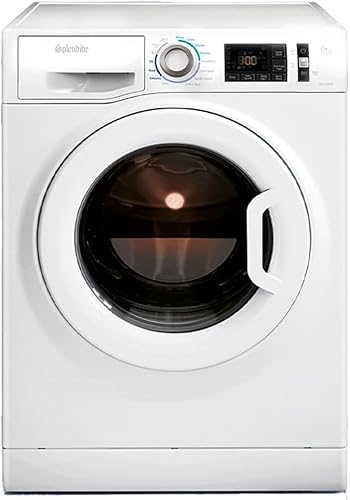
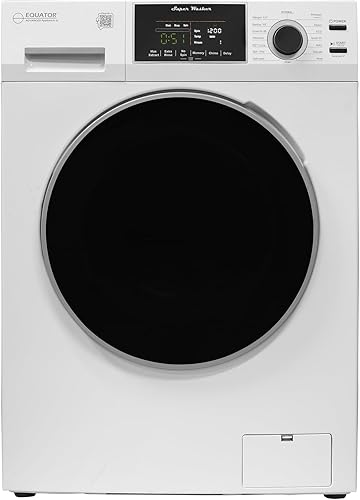
Two habits eliminate most recurring gasket mold. First, wipe the gasket dry with a towel after every single load. This takes 20 seconds. It removes the pooled water that mold needs to establish itself. Second, leave the washer door open between uses. Even cracking it a few inches dramatically improves airflow in the drum and across the gasket. A third helpful habit is reducing fabric softener use, since softener leaves a residue that coats the rubber and feeds mold faster than detergent alone. If your washer has a tub clean or self-clean cycle, run it monthly. For buyers of new machines, a stainless steel drum, a high spin speed, and a self-clean cycle all contribute to lower mold risk over time. The Westland WFL1300XD at 1200 RPM and the Equator Advanced Appliances 22-826 L W at 1200 RPM are compact front load options that spin more water out of each load, leaving less moisture in the gasket after the cycle.
Frequently asked questions
Can I use bleach on my washer gasket?
Yes, diluted bleach works well. Mix one part bleach with four parts water and spray it on. Let it sit for five to ten minutes before scrubbing. Do not use undiluted bleach directly on rubber, as concentrated bleach degrades it faster. Monthly use of the diluted solution is safe for most gasket materials.
How often should I clean the washer gasket?
If you wipe the gasket dry after each wash and leave the door open between uses, a thorough scrub once a month is sufficient for most households. If you notice visible mold or a musty smell before the monthly mark, clean it immediately rather than waiting.
Will vinegar remove mold from the gasket?
Yes. Spray undiluted white vinegar directly onto the mold, let it sit for at least ten minutes, then scrub. A baking soda paste applied on top and allowed to fizz adds extra scrubbing action for stubborn spots. Vinegar is a reasonable alternative to bleach and is slightly less harsh on rubber over repeated applications.
Why does my front load washer gasket smell even after cleaning?
If the smell returns quickly after cleaning, mold is likely re-establishing in the gasket folds because moisture remains. Check that you are drying the gasket after every load and leaving the door open. Also check the detergent drawer, which can develop its own mold and contribute to the overall smell.