How to Wash Clothes in a Dorm
Dorm laundry does not have to mean dragging bags to a communal room and waiting for a machine. A compact portable washer or a simple hand-washing setup handles most laundry in the room itself, if you approach it correctly.
The most practical way to handle laundry in a dorm room is a compact portable washer that sits on a counter or desk, connects to a bathroom faucet, and stores out of the way when not in use. If dorm rules prohibit appliances, hand washing in a sink with a cheap spinner works well for light loads.
The specific approach depends on two things: what your housing agreement actually permits, and how much laundry you typically generate each week. This guide covers both paths, including which machines fit physically in dorm spaces, how much they hold, how to dry without a dryer, and how to keep a machine running well through four years of consistent use.
Products mentioned in this post


Check Your Housing Policy Before Buying Anything
Dorm appliance policies vary widely. Some schools permit compact countertop washers because they use small amounts of water and drain into a bathroom sink. Others prohibit all appliances that use water, regardless of size. Read the housing contract carefully. If it is unclear, send a brief question to your RA or housing office before making any purchase. A countertop model confiscated at move-in is an expensive mistake. If portable washers are allowed, confirm whether you also need permission for a drain hose and where you are expected to drain the water. Most policies that allow the machines also permit sink drainage, but it is worth confirming.
Which Portable Washers Actually Fit in a Dorm
Dorm rooms have limited counter and floor space. A countertop model is almost always the right call over a freestanding one. The Pyle PUCWM11 at a 4.5-pound capacity sits on a standard desk without taking over the workspace. The Costway GT-23104-CYWH at a 5.5-pound capacity and dimensions of 13.5 x 14 x 20 inches is slightly larger but still fits on most counters. Both handle a few shirts, underwear, socks, and a pair of light pants per load, which is about right for one person's mid-week laundry needs. For heavier weekly loads or if you have a room with floor space to spare, the Giantex EP21684 at a 20-pound capacity and 4.2 stars across more than 15,000 reviews handles full loads, but it is a freestanding unit that needs its own floor spot and takes up noticeably more room.
Hand Washing When Machines Are Not Permitted
Hand washing is straightforward for small loads. Fill the bathroom sink with cool water and a small amount of detergent. Submerge the clothes, agitate them by hand for two to three minutes, and let them soak for 15 minutes for lightly soiled items or up to 30 minutes for anything dirtier. Drain the soapy water, then rinse by refilling the sink with clean water and agitating again. Squeeze out as much water as possible without twisting or wringing knit fabrics, which can stretch them out of shape. Roll the garments in a dry microfiber towel to pull out additional moisture before hanging them to dry. Hand washing works well for t-shirts, underwear, socks, and light pants. Denim and heavy sweatshirts are harder to hand wash effectively and worth saving for a communal machine.
Drying Clothes in a Dorm Room
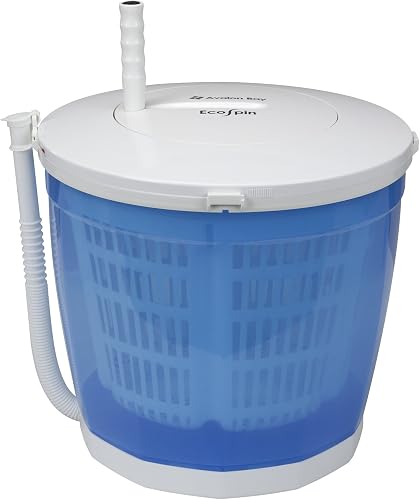
A foldable drying rack is the most practical drying setup for a dorm room. It stands in the corner or the bathroom while clothes dry and folds to a few inches thick for storage. Most dorm policies permit drying racks. Position it near a window or run a small fan to improve airflow and speed drying. A portable spinner, like the Avalon Bay EcoSpin at $89.98, removes far more water from washed clothes than hand wringing or a low-speed portable washer spin, which cuts drying time on the rack significantly. For bulky items like jeans or a sweatshirt, using the communal dryer occasionally is still a reasonable option rather than waiting hours for them to air dry.
Best Practices for Small Load Laundry
Washing small, frequent loads is better than letting laundry pile up until you have to do a large batch. A smaller load runs faster, takes up less rack space to dry, and is easier to manage in a limited space. Use high-efficiency liquid detergent or pods, which rinse completely out of clothes faster than powder detergent. For pods, half a pod is often the right amount for a small 4 to 5 pound load. Run the spin cycle as long as the machine allows to extract as much water as possible before clothes go to the rack. Transfer clothes to the rack immediately when the cycle ends. Even a short delay in a closed dorm room can start a mildew smell on damp fabric.
Recommended Washers for Dorm Use
Two models work well for dorm laundry based on size and capacity. The Costway GT-23104-CYWH at $85.99 weighs 12.1 pounds, measures 13.5 x 14 x 20 inches, and holds 5.5 pounds per load. It is the most portable option in the category and one of the most affordable. It is semi-automatic, so you control the cycle manually, which is fine for small frequent loads. The Giantex EP21684 at $149.99 holds 20 pounds, reaches a spin speed of 1350 RPM, and carries a 4.2-star rating from more than 15,200 reviews. It is a stronger buy for a large room or for two roommates sharing one machine, but it needs dedicated floor space.
Keeping the Washer in Good Condition
After each use, leave the lid open for at least 30 minutes so the drum dries out. Wipe the drum and rim with a dry cloth. Clean the lint filter or trap every few cycles. Once a month, run a cleaning cycle with two cups of white vinegar in an otherwise empty drum on the hottest setting. This prevents detergent buildup and mildew inside the machine. Store the washer with the lid ajar and the hoses disconnected. Drain all remaining water from the hose before coiling it for storage. A portable washer kept clean and stored properly lasts four years or more under regular student use.
Frequently asked questions
Can I use a portable washer in any dorm room?
Not automatically. Many dorms permit small countertop models that drain into the sink; others prohibit all water-using appliances. Read the housing contract or ask your RA before buying anything. Getting the answer in writing is worth the effort if the policy is ambiguous.
How much laundry can a dorm washer hold?
A compact countertop model typically holds 4 to 6 pounds, which is a few shirts, a pair of pants, and some underwear and socks. A freestanding model like the Giantex EP21684 holds 20 pounds, enough for a full weekly load. Match the capacity to how much you wash at once rather than how much you own.
What is the best way to dry clothes in a dorm?
A foldable drying rack is the standard solution. Set it in the bathroom or near a window and use a small fan to speed airflow. A portable spinner removes more water before clothes go on the rack, which cuts drying time considerably. Leave space between garments for air to circulate.
Do I need special detergent for a portable washer?
Use a high-efficiency (HE) liquid detergent at one to two tablespoons per load. Regular detergent generates more suds than a portable washer's lower water volume can handle, which can cause overflow or leave residue. Pods work well but are sized for full loads; half a pod is usually the right amount for a small dorm washer.