Agitator vs Impeller Washer: Which One Should You Choose?
Recommended picks


Agitator Washers: Pros and Cons
The agitator is a central column with vanes or fins that reverses direction repeatedly during the wash cycle, driving clothes through the water. This mechanical action is effective at dislodging grit, grease, and ground-in soil from cotton fabrics. Agitator machines tend to have shorter cycle times and are generally less expensive than comparable impeller models. The drawbacks are meaningful: the agitator post occupies space in the center of the drum, reducing the effective capacity for bulky items like comforters. The twisting motion is also harder on fabric fibers over time, contributing to pilling, stretching, and seam wear on lightweight knits. The Kenmore 4.4 cubic foot top-load washer is a representative agitator option: it offers 10 cycles, a 55 dB noise level, a stainless steel drum, and earns 4.4 stars across 87 reviews.
Impeller Washers: Pros and Cons
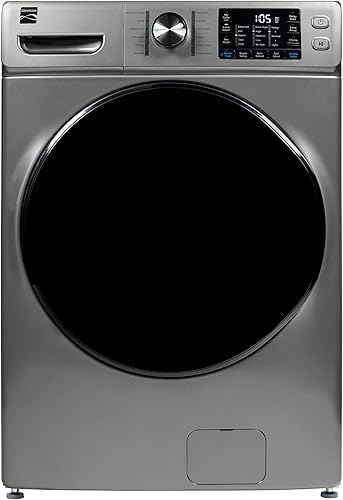
An impeller is a small disc or cone mounted flush at the bottom of the drum. It spins to create a turbulent water flow that moves clothes around the drum in a gentler rolling pattern rather than gripping and reversing them against a central post. This design leaves the center of the drum open, which means more usable space per rated cubic foot, and it is significantly easier on fabric fibers. Impeller machines also tend to use less water per cycle and qualify more easily for Energy Star certification. The trade-off is cleaning power: for heavily soiled fabrics, the impeller's gentler action may leave some stains that an agitator would have mechanically removed. The Kenmore 4.5 cubic foot front-load washer is a well-reviewed impeller example: 12 cycles, a 60 dB noise level, and 4.3 stars across 98 reviews.
Cleaning Performance: Which Gets Clothes Cleaner?
For heavy soil and tough stains, agitator washers have a mechanical advantage. The back-and-forth motion forces water and detergent through fabric fibers with more physical pressure than an impeller's rolling action can match. If you wash muddy sports gear, oily work clothes, or frequently soiled children's items, the agitator's scrubbing is relevant. For the everyday mix of shirts, pants, and bedding that most households generate, an impeller machine cleans effectively. The key variable is cycle selection: using the correct cycle and an appropriate detergent closes the performance gap considerably. Both types deliver adequate results for normal loads; the difference shows up at the extremes of very heavy soiling.
Fabric Care: Which Is Gentler?
Impeller washers are consistently gentler on clothing. Without a post gripping and reversing fabric, there is less friction on fibers, fewer snags on buttons and zippers, and less stretching of knit fabrics. This matters for garments you want to keep looking new: dark denim that fades from abrasion, merino wool items prone to felting, athletic synthetics that pill from mechanical stress, and any delicate piece labeled hand-wash or gentle-cycle only. Agitator machines can handle these items on a delicate cycle at reduced agitation speed, but the risk of damage is higher than with an impeller design. Over hundreds of washes per year, the cumulative difference in garment longevity is real.
Capacity and Space Considerations
Rated cubic footage does not tell the full story. An agitator washer with a 4.5 cubic foot drum has less usable volume for bulky items than an impeller machine with the same rating, because the agitator post takes up the center column. A king-size comforter fits more easily in an impeller drum where nothing occupies the middle. For compact and portable washers, impeller or pulsator designs dominate because the space savings are more important at small scale. The Krib Bling XQB-Grey6-1 is a portable with a stainless steel drum and an impeller-style mechanism. For floor-standing full-size machines, the agitator vs. impeller choice affects how much you can practically fit in each load beyond the cubic-foot number.
Price and Operating Costs
Agitator top-load washers are often the less expensive option at the same capacity tier. The Kenmore 4.4 cubic foot top-load agitator model is priced around $900. Impeller front-load washers like the Kenmore 4.5 cubic foot front-load cost approximately $1,150. The higher initial cost of impeller machines reflects the more complex drum and motor engineering, plus the energy-efficiency certifications that add to the design requirements. Over several years of use, lower water and electricity consumption from an impeller machine can partially offset the higher purchase price, particularly for households running four or more loads per week. The Auertech AU8590 portable washer at $180 is a budget-friendly impeller option that illustrates how accessible the technology is at the compact end.
Popular Models: Agitator Washers
The Kenmore 4.4 cubic foot top-load agitator washer carries 4.4 stars across 87 reviews. It offers 10 cycles, a stainless steel drum, and a 55 dB noise level, putting it in the quieter end of the top-load category. The Amana NTW4516FW is another reviewed agitator option: 3.5 cubic feet, 8 cycles, a 44 dB noise level, and 4.3 stars from 78 reviews. The smaller capacity makes it a better fit for smaller households, but the low noise level is a genuine advantage if the machine will be near living spaces. Both are freestanding, fully automatic, and designed for standard laundry room hookups.
Popular Models: Impeller Washers
The Kenmore 4.5 cubic foot front-load washer is a well-documented impeller machine with 12 cycles, a metallic silver finish, and 4.3 stars across 98 reviews. For a portable impeller option, the Auertech AU8590 is a top-load semi-automatic unit with a 28-pound capacity, 4.3 stars from 3,900 reviews, and a broad appeal among apartment dwellers. The Rovsun RS washer-dryer combo is a compact front-load impeller model that adds drying capability in one footprint. For buyers who want gentle cleaning without committing to a full-size machine, these portable and compact impeller machines provide a practical path.
Which Type Is Right for Your Household?
Households with heavy, regular soil loads, such as a family with young children playing sports or adults in manual trades, benefit from the mechanical scrubbing power of an agitator machine. For most other households, including couples, singles, and families who wash primarily everyday clothing and occasional bedding, an impeller machine delivers good cleaning results while treating fabrics more gently and leaving more room in the drum. If space is limited, portable and compact impeller models like the Krib Bling KB03-GREY9 or the Auertech AU8590 extend the choice to smaller living situations. For those who want a front-load machine with stacking capability, the impeller design is inherent to the front-load mechanism.
Common mistakes to avoid
- Assuming all top-load washers use an agitator, when many current high-efficiency top-load designs use impellers and have no central post.
- Washing delicate items regularly in an agitator machine and wondering why fabrics are pilling or stretching after several months.
- Overloading an impeller machine because the open drum invites it, reducing cleaning effectiveness and stressing the motor.
- Overlooking spin speed when choosing between models; RPM matters as much as drum type for how dry clothes come out.
- Thinking impeller washers never tangle long items; sheets and thin curtains can still wrap in impeller drums, though less severely than in agitator machines.
Frequently asked questions
Are impeller washers more energy efficient than agitator washers?
Generally yes. Impeller machines use less water per cycle because they do not fill the tub completely, and less water means less energy is needed to heat it. Many impeller models earn Energy Star certification. Agitator washers typically use more water and energy per load, particularly traditional designs that fill the drum fully.
Can I wash a comforter in an agitator washer?
It depends on capacity and comforter size. The agitator post reduces available space in the center of the drum, which can prevent a large comforter from moving freely. An impeller machine of the same rated capacity has more usable room. For bulky items, a front-load impeller washer at 4.5 cubic feet or more is the more reliable choice.
Do impeller washers clean as well as agitator washers?
For everyday clothing, impeller washers clean effectively. For heavily soiled items, agitator machines provide more mechanical scrubbing. Using a prewash soak or selecting a heavy-duty cycle helps impeller machines handle tougher stains. Both types can produce clean results with the right detergent and cycle selection.
Which type of washer is quieter?
Impeller front-load washers tend to be quieter than agitator top-load machines during the wash phase, because there is no reversing post creating noise and splash. However, noise levels vary significantly within each category, so checking the published decibel rating for each specific model is more reliable than generalizing by type.
Are portable washers available with agitators?
Rarely. Most portable washers use impeller or pulsator mechanisms because compact drum dimensions make an agitator post impractical at small scale. If you specifically need agitator-style scrubbing in a portable washer, the options are very limited; an impeller portable like the Auertech AU8590 is the standard choice.