Washer Dryer Combo vs Separate Units: Which Is Right for You?
Recommended picks
- Equator Advanced Appliances
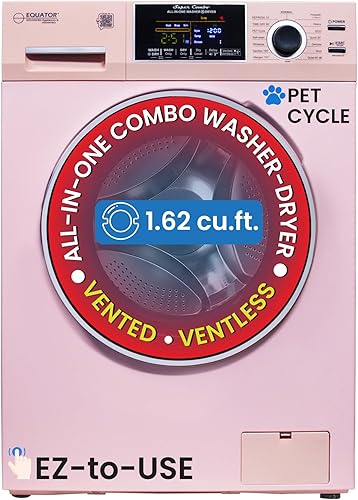
Equator Advanced Appliances EZ 4600 Washer Dryer Combo
$1259.00View on Amazon


Start with Space: Combo Units Shine in Tight Quarters
The clearest case for a washer dryer combo is spatial. The Smeta SWF-120COMBO, for example, measures 25.2 x 23.4 x 33.5 inches. That is the footprint of a single appliance handling both washing and drying. A side-by-side separate pair of comparable machines would need double the width. A stackable pair reduces the floor footprint but requires more height and a stacking bracket. For a studio apartment laundry closet, a small bathroom alcove, or a kitchen corner without room for two machines, a combo is often the only practical option.
Capacity and Load Size: Combos Handle Smaller Loads
Combo units in the current market land between 2.7 and 2.8 cu ft for wash capacity. The Smeta T-120A14L-US reaches 2.8 cu ft at the high end. A typical full-size separate washer starts at 4.5 cu ft and goes higher. That gap matters for households running large or bulky loads. A combo handles everyday clothing, light towels, and small mixed loads well. Comforters, heavy denim, or a family's full weekly wash pile up faster than a combo can process efficiently. For one or two people, the capacity ceiling is not a daily frustration. For three or more, it often is.
Drying Performance: Separate Units Are Faster and More Thorough
Combo units dry using ventless condensation, which is slower and works best on a load that is half the size of a full wash. The Equator EZ 4600 earns a 4.7-star average from 7 ratings despite its 1.62 cu ft capacity, suggesting the unit performs as expected for buyers who understand its limitations. But a dedicated dryer using vented or heat pump technology dries a comparable load in roughly a third to half the time. If you regularly pull clothes from a combo and find them still damp on the inner layers of a large load, that is a capacity and ventless drying limitation, not a defect in most cases.
Cycle Times: Combo Cycles Are Longer
A combined wash and dry cycle in a combo unit takes 4 to 6 hours for a standard load. Separate machines running a full wash and dry cycle finish the same load in roughly 1.5 to 2.5 hours total, and they can run different loads simultaneously. The Smad FBM-DWF-120A14LBMU-4 and similar combos offer 16 cycles, which provides laundry flexibility, but the underlying drying time per cycle does not change much regardless of cycle selection. Buyers who need clean clothes in a hurry will find combo units frustrating. Buyers who start a load in the morning and come home to finished laundry in the evening find the timeline acceptable.
Installation and Venting: Combos Require No Vent
Combo units need a cold water supply, a drain hose, and a standard 120V outlet. That is the complete installation list. No external duct, no 240V circuit, no coordination with a contractor about exterior vent placement. Separate dryers almost always need either a 240V electrical circuit for an electric model or both a gas line and a 240V circuit for a gas model. Vented dryers also need a duct path to the outside. These requirements are standard in dedicated laundry rooms but can be showstoppers in apartments, boats, and homes without existing laundry infrastructure. The ventless combo sidesteps all of that.
Cost Comparison: Combos Are Priced Like Mid-Range Separate Sets
The Smeta TWF-12A14LBMU lists at $1,248.90, which puts it near the combined price of a budget-tier separate washer and dryer pair. Separate units can be purchased individually and replaced individually, which distributes the cost over time. A combo unit is a single purchase that covers both functions. On the higher end, the Equator EZ 4600 costs $1,259 for 1.62 cu ft, which is expensive relative to capacity but reflects the ventless technology and compact engineering. Over the lifespan of the machine, separate units often prove more cost-effective because one failing machine does not force replacement of both functions.
Reliability and Repairs: Separate Units Have an Edge
When a combo unit's drying system fails, the machine still washes but no longer dries. When it washes but does not drain correctly, the drying cycle is also affected. The interconnection of both functions in one drum means failure modes can affect the entire machine. The Equator EZ 4600 at 4.7 stars and the Smeta T-120A14L-US at 4.5 stars have positive buyer feedback, but both have limited review counts (7 and 4 ratings respectively), which makes long-term reliability patterns harder to assess. Separate units from established brands with hundreds of reviews give repair shops more familiarity, parts availability, and documented failure patterns to work from.
Conclusion: Match the Setup to Your Lifestyle
For a single person or couple in a small apartment doing three to five loads per week, a combo like the Smeta SWF-120COMBO or the Equator EZ 4600 is a practical, space-efficient solution. The longer cycle times are an acceptable tradeoff for not needing a second machine or a duct installation. For a household with children, frequent large loads, or a need for quick laundry turnaround, separate units deliver the throughput and flexibility that a combo cannot match. The decision usually comes down to your floor plan first, then your laundry habits.
Common mistakes to avoid
- Assuming all combo units dry equally well. Effective drying capacity is roughly half the wash capacity, and this varies enough by model to be worth checking in buyer reviews.
- Overlooking that separate dryers almost always need a vent or a 240V circuit, which can be a significant installation cost in a space without existing laundry hookups.
- Buying a combo for a household of three or more people and finding that the smaller capacity and longer cycles create a daily laundry backlog.
- Not measuring clearance for the door swing and hose routing on a combo unit before ordering.
- Expecting a combo to finish a load as quickly as separate machines and planning accordingly.
Frequently asked questions
Can a washer dryer combo wash and dry at the same time?
No. A combo uses one drum for both functions and runs them in sequence. Washing completes first, then the machine transitions to drying. You cannot process two different loads simultaneously the way you can with separate machines.
Are washer dryer combos reliable?
Reliability varies by brand and model. Models like the Equator EZ 4600 at 4.7 stars and the Smeta T-120A14L-US at 4.5 stars show positive buyer patterns, but both have small review samples. In general, units with more reviews provide a more dependable signal of long-term performance.
Do I need a special outlet for a washer dryer combo?
No. The models in this category operate on a standard 120V outlet, the same type used for a portable washer or any household appliance. Separate electric dryers typically need a 240V outlet. The standard outlet requirement is one of the combo's installation advantages.
How long does a typical wash-dry cycle take in a combo?
Plan on 4 to 6 hours for a full combined wash and dry cycle. The drying phase accounts for most of that time. Heavier fabrics and larger loads extend the total cycle. Quick wash options shorten the wash phase but do not significantly reduce drying time.
Can I stack a separate washer and dryer to save space?
Yes. Many front-load washers and dryers designed for stacking can be arranged vertically using a compatible stacking kit, reducing the floor footprint to roughly the same size as a combo unit. You still need two appliances, two sets of connections, and a vent for the dryer, but stacking is a middle ground between a full side-by-side setup and a single combo unit.