Vented vs Ventless Dryer: Which Type Should You Choose?
Recommended picks

How Vented Dryers Work
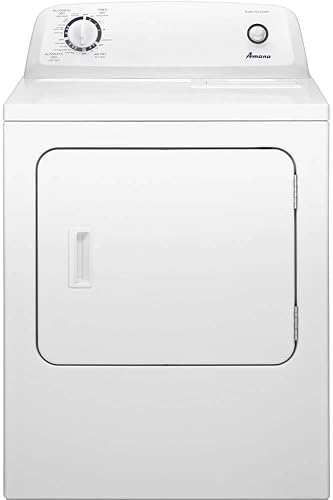
A vented dryer pulls in room air, heats it with an electric element or gas burner, and tumbles it through wet clothes. The saturated air is then pushed through a flexible duct that runs to the outside of the building. That direct path for moisture removal is why vented dryers dry so efficiently: fresh dry air enters, moist air exits continuously, and the drum never recirculates humid air. The constraint is placement. The dryer has to be within a reasonable duct run of an exterior wall, window, or dedicated vent opening. Full-size vented dryers, which are the standard in most homes with a laundry area, typically dry a full load in 30 to 60 minutes.
How Ventless Dryers Work
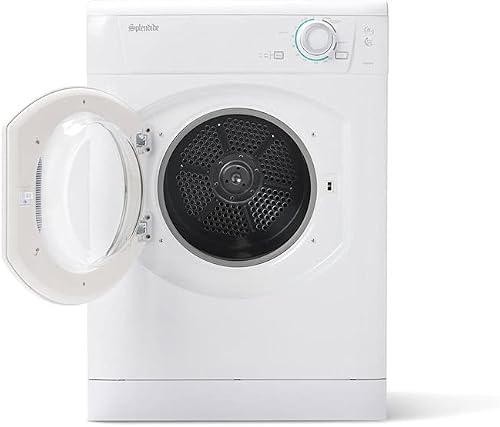
Ventless dryers, which include condenser and heat pump types, solve the duct problem by processing moisture inside the machine. The drum air passes over a heat exchanger or through a heat pump loop that cools it enough to condense water vapor into liquid. That water collects in a reservoir you empty after each cycle, or drains through a hose if you connect one. The now-dry air is reheated and recirculated through the drum. No duct, no exterior wall access required. The trade-off is cycle time: ventless machines typically take 60 to 120 minutes for loads that a vented dryer would finish in 30 to 60. They also cost more upfront, though heat pump models partially recover that with lower per-cycle energy use.
Installation and Space Requirements
For a vented dryer, you need a clear duct path from the dryer location to an exterior exit point. A short, straight run is ideal; every bend or extra foot of duct adds resistance and lint accumulation risk. Apartments on interior floors, condos without utility access to an outside wall, and laundry closets far from exterior walls all make vented installation difficult or impossible. Ventless dryers need a standard electrical outlet, a level floor, and enough airflow around the unit to prevent heat buildup. They can go in a closet, a kitchen corner, or even a bathroom. The Magic Chef MCSDRY1S is a compact example of what ventless electric sizing can look like in a tight space.
Drying Performance and Time
Speed favors vented dryers. Constant air exchange means moisture exits the drum immediately rather than being processed and recirculated. Full-size vented cycles run 30 to 60 minutes for a normal load. Ventless cycles on condenser models often run 60 to 90 minutes, and heat pump models can stretch to 90 to 120 minutes due to their lower operating temperatures. The slower heat of ventless drying is actually gentler on fabrics; delicate synthetics and wool respond better to the lower temperatures heat pump dryers use. For high-volume laundry where you are running multiple loads back-to-back, the speed difference adds up quickly and vented wins on throughput.
Energy Efficiency and Operating Costs
Ventless heat pump dryers are the most energy-efficient option by a significant margin. They reuse heat rather than expelling it and can use roughly 50% less electricity per cycle than a conventional vented dryer. Condenser dryers are ventless but use a standard heating element, so they land between heat pump and vented in energy terms. The Amana NED4655EW, a vented dryer at about $590, costs less to buy than a premium ventless like the Splendide DV6400X at over $1,100, but the electricity savings on a heat pump model accumulate over years of use. How long that payback takes depends on how many loads per week you run and your local electricity rate.
Cost Comparison: Upfront and Long Term
Vented dryers start around $300 for compact models and reach $1,200 for large-capacity gas units like the Kenmore 8.0 cu ft. The Magic Chef MCSDRY1S (vented) sits around $347. Ventless dryers start higher: the Splendide DV6400X runs about $1,163, and the Costway VD-23598EP is an affordable ventless portable at around $185, though it handles only 10-pound loads. The math on total cost of ownership depends on usage frequency. For someone who dries several loads per week, the energy savings from a heat pump ventless model can bridge the purchase price gap over three to five years. For occasional users, the cheaper vented purchase price is hard to beat.
Lint and Maintenance Considerations
Both types need the lint filter cleaned after every load. On a vented dryer, the duct is the additional maintenance concern: lint accumulation inside the duct restricts airflow, reduces efficiency, and over time creates a fire hazard. Annual duct cleaning is the common recommendation, more often if you use the dryer heavily. Ventless dryers do not have a lint-filled duct to maintain, but they do have a condenser or heat pump component that needs periodic cleaning to maintain heat transfer efficiency. Many models include a cleaning reminder. If your ventless dryer has a water collection tank rather than a drain connection, emptying it after each load is the most important routine step.
Ideal Use Cases for Each Type
Vented dryers suit homeowners with existing ductwork, high laundry volume, and a preference for the lowest upfront cost. They perform best in a dedicated laundry room with short duct runs to an exterior wall. Ventless dryers are the right choice for apartments, condominiums, multi-story buildings where running a duct is impractical, RVs, and any space where installation simplicity outweighs cycle time. Compact ventless models like the Costway VD-23598EP or the Auertech AU205CGY illustrate what is available for small spaces. Heat pump models are the premium ventless option for buyers who prioritize energy costs and fabric care over purchase price.
Popular Models and Their Specs
Among vented dryers, the Amana NED4655EW offers 6.5 cu ft at $590 with a 4.4-star average from 87 ratings. The Magic Chef MCSDRY35W provides 3.5 cu ft in a mid-size vented form at $542. On the ventless side, the Splendide DV6400X earns 4.5 stars and costs $1,163, representing a premium compact ventless option. The Costway VD-23598EP, rated 4.2 stars and priced around $185, brings ventless into portable territory. The Auertech AU205CGY earns 4.3 stars at $220 as another budget ventless choice. For high-capacity ventless, the VCJ VCJ-90CWY handles 16 pounds and earns 4.4 stars at $270. Confirm venting type and electrical specs before purchasing any of these.
Common mistakes to avoid
- Assuming a dryer can go anywhere without first confirming whether venting is required and available.
- Buying a vented dryer for an apartment or condo room that has no exterior vent access.
- Failing to account for longer cycle times when planning around a ventless dryer's schedule.
- Forgetting to empty the water collection tank on a ventless dryer, causing it to stop mid-cycle.
- Squeezing a full-size vented dryer through a doorway without measuring clearance in advance.
- Letting lint accumulate in the vent duct of a vented dryer, which reduces performance and raises fire risk.
Frequently asked questions
Can I install a vented dryer in a closet?
Yes, but the closet needs a duct path to the outside and adequate air intake for the dryer to breathe. Louvered doors or gaps at the bottom help. A ventless dryer is generally easier for closet installation since it needs neither a duct nor special door ventilation.
Do ventless dryers cause more humidity in the room?
They are often assumed to, but most ventless condenser dryers capture moisture in a tank rather than releasing it into the room air. The exhaust from a condenser dryer is cooler and drier than the surrounding room air. Some heat pump models actually reduce ambient humidity slightly.
Which type of dryer is more energy efficient?
Heat pump dryers, which are a type of ventless dryer, are the most efficient option. They recycle heat rather than generating new heat for every cycle. Condenser dryers are ventless but not as efficient as heat pump models. Vented dryers use the most energy per cycle because they continuously heat fresh room air.
Can I convert a vented dryer to ventless?
No. The two designs are fundamentally different internally. A ventless dryer contains a condenser or heat pump that a vented dryer simply does not have. There is no retrofit kit, and modifying the duct system does not replicate the function of a true ventless machine.
Are ventless dryers safe for use in small apartments?
Yes. Ventless electric dryers produce no combustion gases and require no exterior duct. They generate less heat than vented models and work safely in tight spaces. The main precaution is providing some airflow in the room, since any dryer generates heat during operation.